FRP Animal Statues — Custom Fiberglass Animal Sculptures
FRP animal statues are sculptures of animals made from fiberglass-reinforced plastic. They can depict mammals, birds, fish, reptiles, or fantasy creatures. FRP captures fine details like fur, feathers, and scales. Pieces can be finished in realistic, bronze-look, stone-look, or painted styles.
Made by Jiaheng Art — an FRP sculpture manufacturer with in-house mold making, fiberglass layup, and painting.
Why choose FRP for animal statues
- Animal-focused detail: Fur texture, feather layering, and facial expression are molded with high fidelity.
- Lightweight: Easier to ship, move, and install than bronze or stone animal statues.
- Finish options: Realistic paint, metallic look, stone-look, matte, or gloss.
- Custom species: Work from photos or 3D models for a specific animal.
- Metal 3D printing for stressed details: Thin, load-bearing parts like raised legs, antlers, or tail supports can be produced with metal additive manufacturing when the design demands it. The FRP body stays lightweight. The critical joints get metal strength.
What Kinds of Animals Can Be Made in FRP?
Mammals
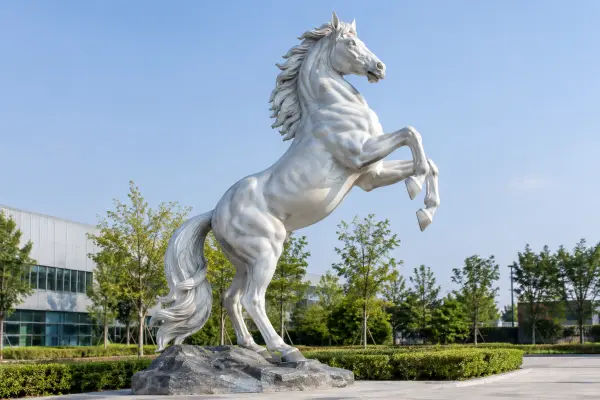
Deer, horses, elephants, lions, bears, rabbits, dogs. Fur texture and body mass are the key modeling challenges. FRP handles both.
Birds
Herons, eagles, peacocks, owls, cranes. Feather detail and thin leg structures are common FRP strengths. Internal reinforcement keeps thin parts stable.

Marine and reptiles
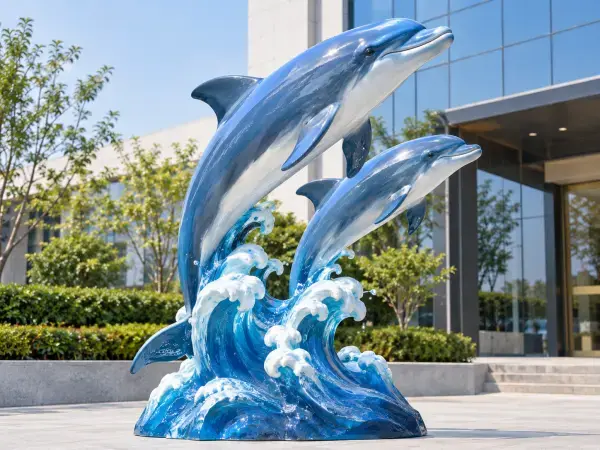
Fish, dolphins, turtles, crocodiles and snakes. FRP easily reproduces fine scales and smooth, lifelike skin textures for marine and reptile animal statues.
Fantasy and cartoon animals
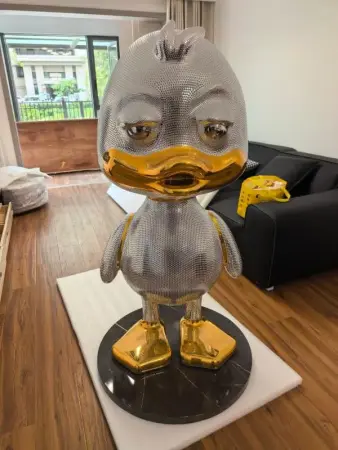
Dragons, unicorns, mascot-style characters. FRP suits bold shapes and bright colors. Short production cycles help seasonal or brand projects.
How FRP Animal Statues Are Made
At Jiaheng Art, every FRP animal statue goes through six controlled steps.
- Design and 3D modeling: Reference photos or sketches become a digital model. Proportions and pose are locked here.
- Mold making: A mold is built from the model. Mold quality decides surface detail.
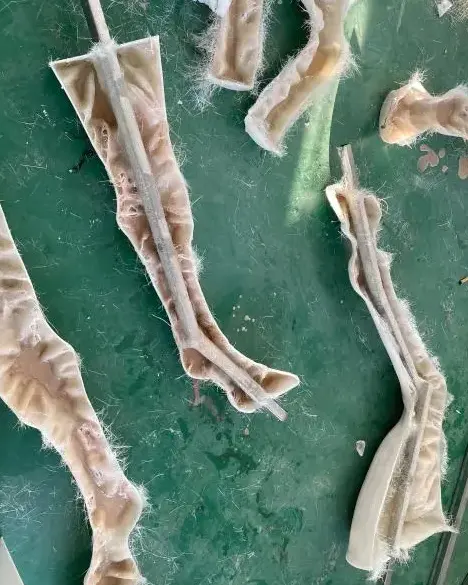
- Fiberglass layup and steel frame: Resin and fiberglass cloth are layered into the mold. Inside the shell, a steel frame is built to match the sculpture’s pose. The frame is bonded to the shell at multiple points, not left floating. Wall thickness and reinforcement are set at this stage.
- Demolding and assembly: The shell is removed, trimmed, and joined if the piece has multiple parts.
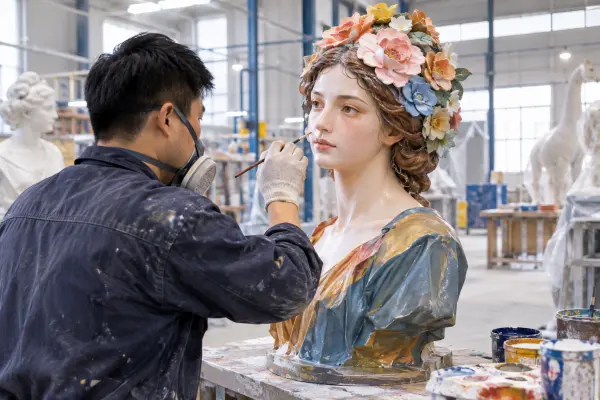
- Surface finishing: Sanding, primer, paint, and topcoat. This step controls the animal’s final look.
- Inspection and packing: Check seams, coating, and structural strength before shipping.
When thin meets strong: hybrid construction
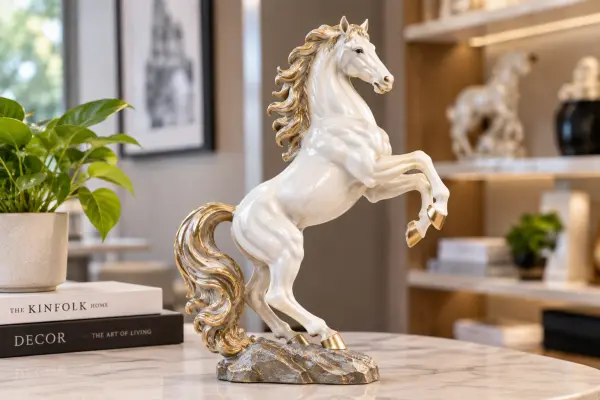
Some animal poses put heavy load on very thin sections. A rearing horse on two legs. A deer with slender antlers. A bird with thin legs supporting a large body. In these cases, fiberglass alone can flex or crack at the joints over time.
For these parts, metal 3D printing can be used to produce internal reinforcements or exposed structural elements. The printed metal part handles the concentrated stress. The surrounding FRP shell keeps the overall piece light and allows detailed surface finishing.
This is not a standard option on every statue. It is specified when the design puts unusual stress on a narrow section, or when the client wants extra durability at a known weak point.
Why the steel frame matters
A hollow FRP animal statue is light, but hollow also means vulnerable. Thin shells crack when they flex. A statue with no internal support can deform in transit or wobble after installation.
Jiaheng Art builds a steel frame inside every hollow animal statue. The frame follows the load path of the pose. Legs, necks, and raised limbs get frame members that transfer weight down to the base. The frame is fixed to the shell at multiple contact points, so the shell does not hang loose or rattle against the frame.
This is checked before finishing. A statue that sounds hollow when tapped, or shifts when pushed gently, has a frame-to-shell bond problem. Ours are tested for this before packing.
Color matching before production
Phone screens and monitors show color differently. A green that looks right on a client’s phone can look gray on a laptop and olive on a printout. This is why color is confirmed physically, not digitally.
The process:
- Client provides a reference. A Pantone number, a physical color chip, a photo, or a sample of the surrounding material.
- Jiaheng Art sprays a small sample. The sample uses the same primer, paint, and topcoat as the final piece.
- Client approves the sample. Photos are sent under daylight and indoor light. The physical sample can also be shipped if needed.
- Production starts only after approval. The approved sample is kept as the batch reference.
This step adds a few days to the schedule. It removes the most common cause of rework: a finished statue that is the wrong shade.
Common Questions About FRP Animal Statues
Are FRP animal statues durable?
Yes. Fiberglass resists cracking better than rigid resin and weighs far less than stone. With a proper topcoat, the surface handles sun and moisture. Avoid sharp impacts, which can scratch the finish.
Can you make a specific animal from a photo?
Yes. Most manufacturers build from reference photos or a 3D file. Provide multiple angles for accuracy. Custom species, poses, and sizes are standard requests.
FRP vs. bronze animal statues — which should I choose?
FRP is lighter, cheaper, and faster to produce. Bronze carries a premium feel and permanence. For large animal figures, indoor displays, or themed projects, FRP is usually the practical choice. For memorial-grade permanent pieces, bronze remains the long-life option.
What finishes are available?
Realistic painted finish, bronze-look, copper-look, stone-look, matte, and gloss. Finish choice affects both appearance and outdoor durability.
What is the typical lead time?
Small to medium animal statues: 7–15 days. Large or complex designs: 2–4 weeks, depending on mold work and paint detail.
Who makes these FRP animal statues?
Jiaheng Art produces custom FRP animal sculptures in-house. Mold making, fiberglass layup, finishing, and painting are all handled at our facility. You can request a quote or share reference photos directly.
Is the statue hollow, and will it feel flimsy?
Most large FRP animal statues are hollow, which keeps weight and shipping cost down. Hollow does not mean unsupported. A steel frame runs through the body and is bonded to the shell at multiple points. The frame carries the load to the base. Before packing, the piece is checked for frame-to-shell separation. A properly framed hollow statue does not wobble, rattle, or flex at the legs.
How do I confirm the color if I am ordering remotely?
You send a reference: a Pantone code, a physical chip, or a photo. Jiaheng Art sprays a small sample with the same coating system used on the final statue. You approve the sample under daylight and indoor light before production begins. The approved sample becomes the batch reference. This avoids the screen-to-screen color mismatch that causes most repaint requests.
What breaks most often on FRP animal statues during shipping or installation?
Thin protruding parts: legs, ears, antlers, tails, and raised limbs. A life-size deer shipped in a standard crate can arrive with a hind leg cracked if the packaging does not brace the leg separately. Ask two questions before ordering: how are thin parts braced inside the crate, and are those parts reinforced at the mold stage? For pieces with unusually slender load-bearing sections, metal 3D printed inserts can be specified as an extra safeguard.
Where FRP Animal Statues Are Used
- Gardens and landscapes: A deer among trees. A heron by water.
- Interiors and lobbies: A statement piece in a hotel or office entrance.
- Resorts and theme parks: Photo moments and themed environments.
- Retail and brand displays: Mascot-style animals for campaigns.
- Museums and exhibitions: Lightweight figures for temporary shows.
What to Check Before You Order
- Reference material: Provide clear photos or a 3D model. More angles mean better accuracy.
- Reinforcement at thin sections: Ask how the maker handles legs, tails, ears, and any section thinner than your finger. A good answer describes extra glass layers at those points, or metal inserts if the design warrants it. A vague answer means a uniform shell that will crack where it matters most.
- Finish system: Confirm primer, paint, and topcoat are specified for your use case.
- Base and mounting: For freestanding pieces, confirm the base design and anchoring method.
- Proof photos, not catalog renders: Request photos of the actual piece before crating. Front, both profiles, rear, and close-ups of eyes and thin joints. Raking light reveals surface flaws that flat lighting hides. If the maker only sends a single front-facing photo, ask for more. The back and underside are where shortcuts show.
- Ask how the frame is bonded: A steel frame inside a hollow shell only works if it is fixed at multiple points. Ask how many contact points exist and how the bond is checked before shipping. A frame that sits loose inside the shell will fail at the legs first.
Get a Quote for Your Custom FRP Animal Statues
Looking for a reliable FRP animal statues manufacturer? Jiaheng Art — Fiberglass sculpture supplier. Custom animal statues, mold making, fiberglass production, finishing. Send us your idea or reference image, or 3D file, and Jiaheng Art & Sculpture will provide a free quotation and production plan for custom fiberglass sculptures worldwide.
Email: info@jiahengart.com
WhatsApp: +86 18716370886
Location: Shanghai, China
More Custom Fiberglass Sculpture Designs
We offer full custom fabrication for the following fiberglass sculpture styles to match your concept.